Muffin tins are a staple in most kitchens, and they come in different materials and types. Whether you are an expert baker or an amateur home baker, choosing the right material for your muffin tin is crucial to get the best results. In this article, we'll take a deep dive into the different materials used in making normal muffin tins and their pros and cons.
Different types of muffin tins available in the market
Before we dive into the materials used in making muffin tins, let's have a brief overview of the different types of muffin tins that are available in the market. Muffin tins come in various sizes, from mini muffin tins to jumbo muffin tins. They also come in different shapes, such as round, square, and rectangular muffin tins. In addition, muffin tins are also available in different types of materials, including aluminum, silicone, non-stick, ceramic, and glass.
When choosing a muffin tin, it's important to consider the type of recipe you'll be using it for. For example, if you're making a recipe that requires a lot of butter or oil, a non-stick muffin tin may be the best option to prevent sticking. On the other hand, if you're looking for a more eco-friendly option, a silicone muffin tin can be reused multiple times and is less likely to end up in a landfill. Ultimately, the choice of muffin tin comes down to personal preference and the specific needs of the recipe.
Pros and cons of using aluminum muffin tins
Aluminum muffin tins are one of the most popular types of muffin tins in the market. They're affordable and heat up quickly and evenly, which is crucial for baking muffins. Aluminum muffin tins also have a non-stick surface, which makes them easy to clean. However, aluminum muffin tins are not very durable and can easily get dented or warped over time.
Another disadvantage of using aluminum muffin tins is that they are not suitable for acidic ingredients, such as lemon juice or vinegar. The acid can react with the aluminum and cause a metallic taste in the muffins. If you plan on using acidic ingredients in your muffin recipe, it's best to opt for a non-reactive material, such as silicone or stainless steel.
Advantages and disadvantages of using silicone muffin tins
Silicone muffin tins are another popular type of muffin tin. They're flexible, non-stick, and can withstand high temperatures. Silicone muffin tins are also dishwasher safe and easy to clean. However, they have a relatively long baking time, and the muffins may not brown evenly. In addition, silicone muffin tins tend to be floppy, making them challenging to handle, and they're not very durable compared to other types of muffin tins.
One advantage of using silicone muffin tins is that they're lightweight and easy to store. Unlike metal muffin tins, silicone muffin tins can be folded or rolled up, making them ideal for small kitchens or those with limited storage space. Additionally, silicone muffin tins are less likely to scratch or damage other cookware when stored.
On the other hand, one disadvantage of using silicone muffin tins is that they may not produce the same crispy texture as metal muffin tins. This is because silicone muffin tins don't conduct heat as well as metal, which can result in muffins that are softer and less crispy. Additionally, some people may be concerned about the safety of using silicone in cooking, as there have been debates about the potential health risks of certain types of silicone.
Are non-stick muffin tins safe for use?
Non-stick muffin tins are popular among home bakers because they're easy to clean and the muffins don't stick to the surface. However, many non-stick coatings contain harmful chemicals, such as PFOA and PFOS, which can release fumes when heated at high temperatures. Therefore, it's essential to choose a non-stick muffin tin that's labeled as PFOA and PFOS free.
Another factor to consider when using non-stick muffin tins is the type of utensils you use. Metal utensils can scratch the non-stick coating, which can cause it to flake off and mix with your food. It's best to use silicone or wooden utensils when working with non-stick muffin tins to avoid damaging the coating.
Additionally, it's important to note that non-stick muffin tins may not last as long as traditional muffin tins. The non-stick coating can wear off over time, especially with frequent use and exposure to high temperatures. If you notice any scratches or damage to the coating, it's best to replace the muffin tin to avoid any potential health risks.
How to clean and maintain your muffin tins for long-lasting use
Regardless of the material, it's crucial to clean and maintain your muffin tins regularly to ensure their longevity. To clean your muffin tins, use hot soapy water and a soft sponge. Avoid using abrasive cleaners that can damage the surface. For stubborn stains, soak your muffin tin in hot water and baking soda before scrubbing gently. After cleaning, make sure to dry your muffin tin thoroughly before storing it.
Another important aspect of maintaining your muffin tins is to avoid using metal utensils that can scratch the surface. Instead, use silicone or wooden utensils to prevent damage. Additionally, it's a good idea to grease your muffin tins before each use to prevent sticking and make cleaning easier.
If you have non-stick muffin tins, be sure to follow the manufacturer's instructions for cleaning and avoid using metal utensils or abrasive cleaners that can damage the non-stick coating. It's also important to note that non-stick coatings can wear off over time, so be sure to replace your muffin tins if the coating begins to peel or flake.
The environmental impact of different types of muffin tins
The type of material used in making muffin tins can also have an environmental impact. Silicone muffin tins are considered more eco-friendly since they're reusable and dishwasher safe. Aluminum muffin tins, on the other hand, are recyclable but require a large amount of energy to produce. Non-stick muffin tins may contain harmful chemicals that can harm the environment if not disposed of properly.
In addition to the material used in making muffin tins, the size and shape of the tins can also have an impact on the environment. Larger muffin tins require more batter, which can lead to more food waste if not consumed. Similarly, muffin tins with unique shapes may not fit standard baking trays, leading to the need for specialized equipment and packaging.
Another factor to consider is the packaging of muffin tins. Some brands may use excessive packaging, such as plastic wrap or cardboard inserts, which can contribute to waste. Choosing brands that use minimal packaging or packaging made from recycled materials can help reduce the environmental impact of muffin tins.
Which muffin tin material is best for baking cupcakes?
Cupcakes are a delicate dessert that requires a muffin tin that ensures even baking and browning. For best results, the ideal material for baking cupcakes is aluminum muffin tins. Aluminum muffin tins are an excellent conductor of heat, which means that they heat up quickly and evenly, ensuring that your cupcakes bake perfectly.
However, if you prefer a non-stick option, silicone muffin tins are a great alternative. They are flexible, making it easy to remove the cupcakes without damaging them. Additionally, they are dishwasher safe and can be reused multiple times. However, silicone muffin tins may not provide the same level of browning as aluminum tins, so keep that in mind when making your choice.
Can you use stainless steel muffin tins for baking?
Stainless steel muffin tins are not suitable for baking muffins or cupcakes. Stainless steel is not a good conductor of heat and tends to brown the muffins unevenly. In addition, stainless steel muffin tins may react with acidic ingredients, such as lemon juice or vinegar, causing a metallic taste in your baked goods.
How the material of your muffin tin affects baking time and temperature
The material of your muffin tin can affect the baking time and temperature of your muffins. For example, silicone muffin tins require a longer baking time and lower temperature than aluminum muffin tins. It's essential to follow the recipe's instructions and adjust the baking time and temperature accordingly to get the best results.
The durability and longevity of different types of muffin tins
When choosing a muffin tin, it's crucial to consider its durability and longevity. Aluminum muffin tins tend to be less durable and may warp or dent over time. Silicone muffin tins are more flexible but can also be less durable than other types of muffin tins. Ceramic and glass muffin tins are durable but may crack or break if mishandled.
Factors to consider when choosing a material for your muffin tin
When choosing a material for your muffin tin, consider several factors, such as heat conductivity, durability, ease of cleaning, and environmental impact. It's also essential to consider the type of recipe you'll be baking and follow the recipe's instructions to ensure the best results.
Comparing ceramic and glass muffin tins: which is better?
Ceramic and glass muffin tins are both good options for baking muffins. They're non-reactive, meaning that they won't react with acidic ingredients, and they're durable and easy to clean. However, ceramic muffin tins tend to brown the muffins evenly, while glass muffin tins can be challenging to handle and may require a longer baking time.
Tips for choosing the perfect muffin tin material for your needs
Choosing the perfect muffin tin material depends on several factors, such as your baking needs, preferences, and budget. Consider the size and shape of the muffins you'll be baking, the recipe you'll be using, and the material's pros and cons. It's always a good idea to invest in quality muffin tins that are durable, versatile, and easy to clean.
Frequently asked questions about the materials used in making normal muffin tins
Q: Are silicone muffin tins safe for baking?
A: Yes, silicone muffin tins are safe for baking. They're flexible, non-stick, and can withstand high temperatures.
Q: Do aluminum muffin tins require seasoning?
A: No, aluminum muffin tins do not require seasoning. They have a naturally non-stick surface that makes them easy to clean.
Q: Can you use muffin tins for making other baked goods?
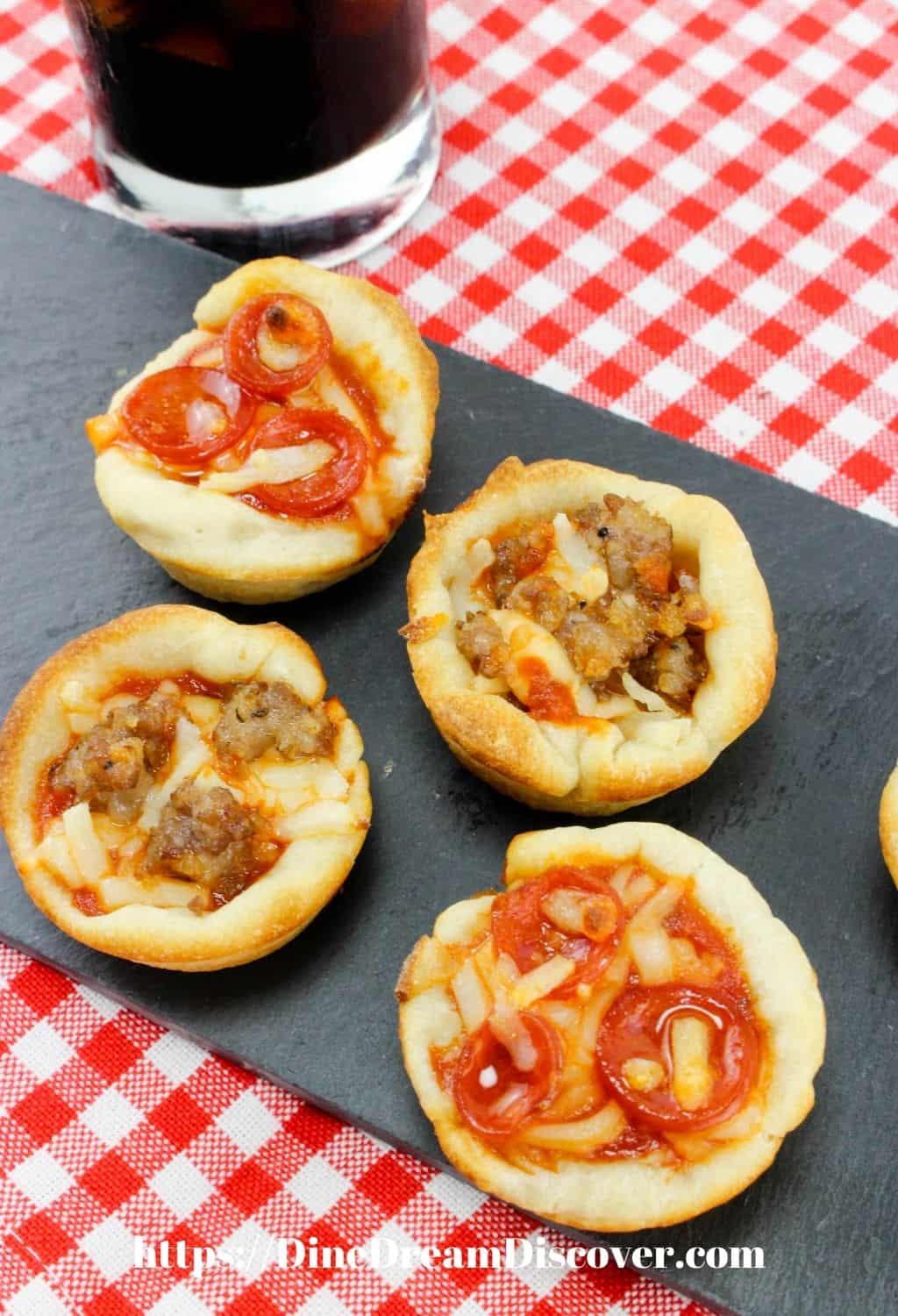
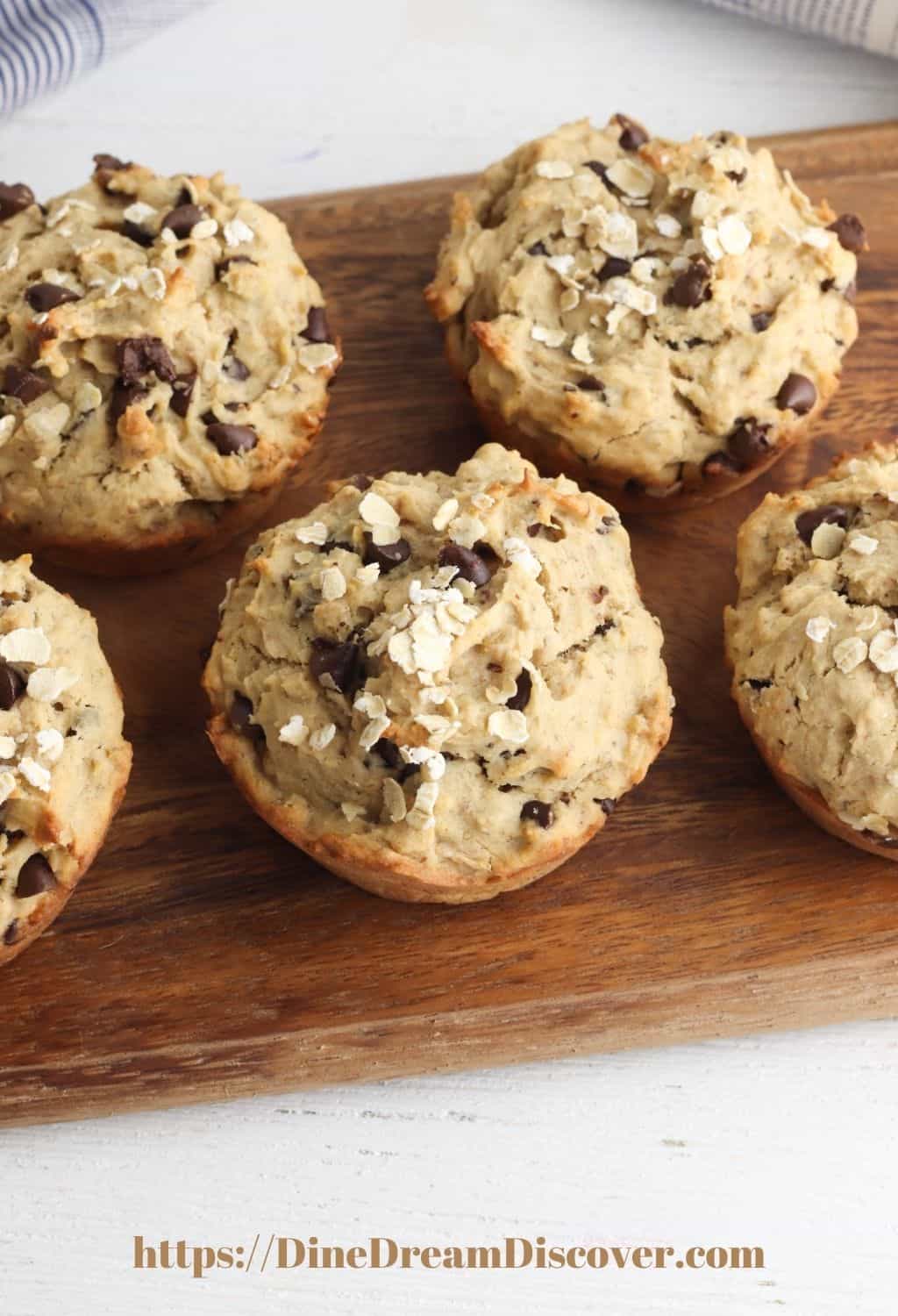
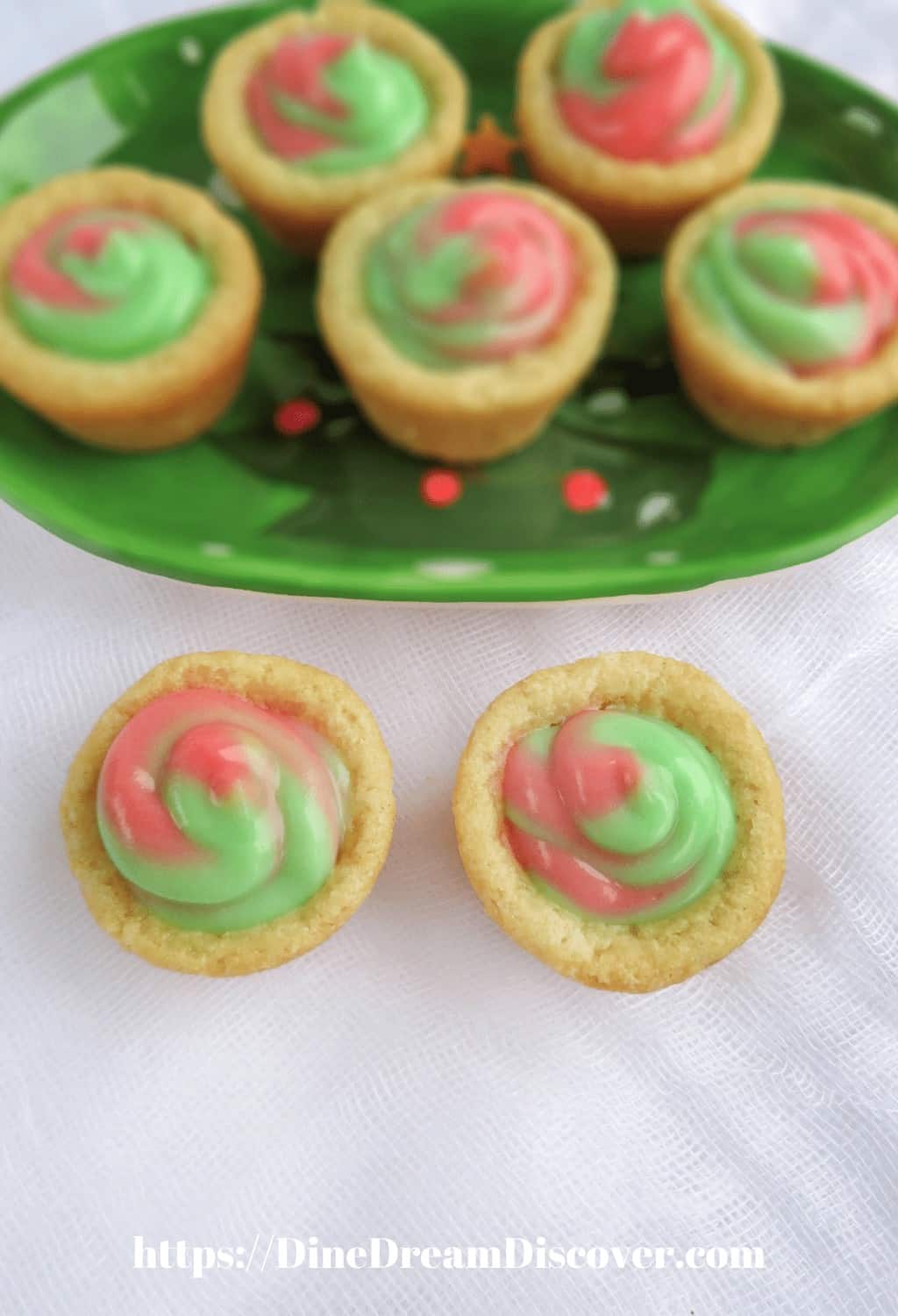
A: Yes, muffin tins can be used for making other baked goods, such as mini cakes, brownies, and quiches.
Overall, the material you choose for your muffin tin can affect the quality of your baked goods. Consider the different types of muffin tins available and choose the one that suits your baking needs and preferences. With proper care and maintenance, a good quality muffin tin can last for years and help you create delicious baked goods that everyone will love.

Leave a Reply